
December 14, 2025
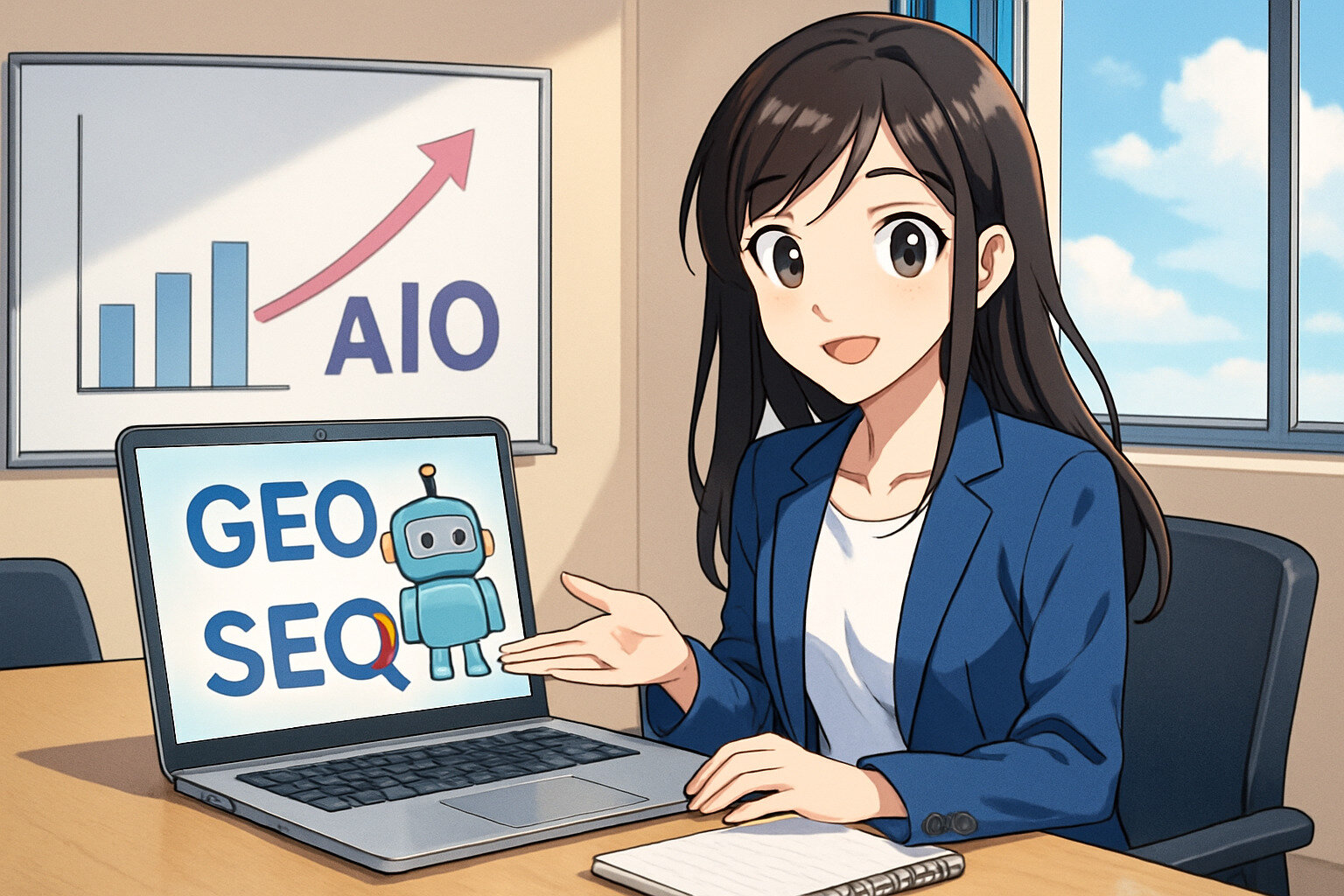
Search engines now use AI to generate answers and summaries for users instead of displaying a simple list of website links. Generative Engine Optimization (GEO), sometimes called Answer Engine Optimization (AEO), refers to strategies that help content surface in AI-generated responses from engines like Google Search or Microsoft Copilot.
Traditional SEO focused on optimizing web pages for ranking on search results. In contrast, GEO gives priority to content that answers questions directly and fits naturally into AI-generated summaries. This shift means success depends on how easily algorithms can pull relevant insights from your site to use or cite in their responses.
At its core, GEO requires clear, well-structured information. AI models rapidly scan millions of pages for trustworthy and concise data. Solutions like Balzac support this need by automating production of structured content that is primed for inclusion in generated answers. In 2026, making information accessible for AI is essential for anyone seeking visibility online.
Search engines changed dramatically by 2026. Generative AI and answer-driven interfaces now guide most user searches, moving traffic away from traditional organic links. GEO, also called Answer Engine Optimization (AEO), emerged as a direct response. Optimizing content for generative engines became critical for anyone wanting consistent visibility and online growth.
Major search platforms such as Google, Bing, and dedicated AI engines prioritize instant answers, summaries, and conversational responses. These engines use large language models to surface relevant snippets instead of showing rows of blue links. The following industry trends elevated the need for GEO:
Recent algorithm updates focus on delivering accurate, trustworthy, and contextually rich results. GEO targets these priorities by ensuring content is structured and semantically relevant for machine learning. Industry updates since 2024, including Google's Quantam and Bing’s EdgeAI, analyzed not just keywords, but also entity relationships, topical authority, and answer quality.
Platforms like Balzac use autonomous AI to monitor trends, rewrite outdated articles, and publish current information. This approach helps businesses move from simple SEO tactics to fully embracing generative-first optimization, where every piece of content is prepared for current and future algorithm criteria.
Traditional SEO aims to rank web pages based on signals like keyword use, backlinks, and technical structure. Generative Engine Optimization (GEO) requires a different approach, shaped by the way AI-powered engines search, analyze, and generate responses for users. Understanding these shifts helps content creators and businesses stay visible as search technology changes.
| Aspect | Traditional SEO | GEO (Generative Engine Optimization) |
|---|---|---|
| Focus | Webpage rankings on search engine result pages (SERPs) | Content included in AI-generated summaries and direct answers |
| Optimization Method | Keyword targeting, backlinks, technical SEO | Structured data, clear answer formatting, information designed for machine understanding |
| Core Technology | Algorithmic rules and crawling | Generative AI, large language models, knowledge graphs |
| Content Evaluation | Page authority, freshness, relevance for keywords | Factual accuracy, directness, adaptability for AI summarization or synthesis |
| Main Goal | Drive traffic to sites through organic clicks | Surface key insights and answers within AI-generated results |
Automation is a defining feature of GEO. Instead of creating content manually for each query and optimizing it with traditional methods, GEO uses automated processes and tools to produce well-structured content for AI engines. Services like Balzac generate detailed, fact-checked articles tailored for machine analysis and citation. This approach saves time and increases accuracy, especially as demands for volume and quality grow in competing for placement in AI-driven result sets.
Ranking factors have changed significantly. While backlinks and direct keyword matches mattered most in older SEO, GEO rewards:
Adopting a GEO framework means thinking less about how humans see website pages in search and more about how AI agents process, extract, and use structured information. This transition shapes every part of digital publishing today.
AI tools powered by generative models are central in automating content workflows for Generative Engine Optimization. Businesses now compete to surface in AI-produced responses, so having tech that understands, creates, and structures relevant information is essential.
Services like Balzac look at current search data, trending queries, and your site's target themes, and then produce articles that meet both user intent and search engine requirements. The AI processes competitor content, identifies gaps, and writes SEO articles optimized for immediate extraction by generative search engines.
Instead of requesting topics or keywords, users simply provide their domain. The AI then manages everything automatically, offering a stream of GEO-ready, long-form posts or Q&A entries. These outputs often include concise answers, summaries, and structured elements that large language models prioritize for answer boxes, featured snippets, or direct responses. This focus on format helps your content get selected by AI engines.
The result is efficient production at scale, letting businesses adjust to shifting search intent or new AI ranking factors quickly. By using these AI-driven workflows, GEO is no longer managed by human writers alone. This step is increasingly crucial in 2026, where generative engines value both quantity and structured clarity.
As search and content discovery shift toward generative AI, adopting Generative Engine Optimization brings clear, measurable advantages for organizations wanting to remain visible and relevant. These benefits stretch far beyond increased search presence, impacting content workflows, resource allocation, and audience trust.
Automating key parts of content production helps teams deliver a greater number of well-structured articles with less manual effort. This not only saves time, it also cuts the dependency on external agencies or large in-house teams. GEO techniques, supported by AI-driven tools, allow for:
Platforms such as Balzac use autonomous AI agents to monitor content needs, making publication schedules easier to maintain, even across multiple websites.
GEO places a heavy emphasis on structuring information in ways that generative engines can interpret and reuse. This results in highly relevant answers for every query type. Benefit highlights include:
By strengthening the accuracy and clarity of published information, organizations build trust with both AI systems and end users seeking reliable answers.
Content optimized for generative engines is favored in a search landscape increasingly shaped by AI summaries and knowledge extraction. GEO contributes to:
Over time, businesses that focus on GEO report compounding benefits: more touchpoints with their target audience, improved rankings for complex topics, and stronger reputation in both machine-driven and user-driven discovery paths.
Taking first steps with Generative Engine Optimization means making your content machine-ready and answer-focused for modern search platforms. The following steps break down an effective approach that aligns with how generative AI discovers, analyzes, and surfaces content in search responses.
Start by reviewing all existing content on your site. Identify whether your pages clearly answer specific search questions and if your data is up to date and easy to extract. Tools like Semrush or Ahrefs help identify missing topics and measure how current pages perform for featured snippets or answer boxes.
Design a content calendar focused on recurring user questions, concepts, and entities in your field. Map key answers, definitions, and how-tos that generative engines can repurpose in their results. Use simple language, logical structure, and Q&A elements. Break down complex topics into headline-driven sections supported by precise subpoints or summaries.
Automation increases both the speed and scale of GEO. Platforms such as Balzac allow you to provide your website details and automate the generation, optimization, and publishing of answer-ready content around the clock. Balzac also monitors topical shifts and adjusts article subjects, helping your site keep up with evolving search trends without ongoing manual effort.
Staying visible in 2026 requires moving beyond manual SEO. A mix of regular content review, strategic planning, and AI-driven automation creates the foundation for ongoing performance in response-driven search.
GEO and AEO raise many questions for those working to stay visible in AI-driven search results. The landscape moves quickly, so understanding best practices and potential risks makes a real difference in the results that businesses and creators experience over time.
Content prepared for generative engines uses clear explanations and is structured as easily extractable answers. Q&A sections, topical summaries, and concise list formats may be selected often by AI. Structured data and solid title formatting make a notable difference.
GEO strategies suit both small businesses and large companies. Thanks to automation tools, any site owner can publish content that is visible to AI engines. Platforms like Balzac make it possible for individuals and teams to keep pace with industry shifts without deep technical expertise or big budgets.
Regular audits and updates are essential to maintain accuracy as generative models evolve.
Balance speed and efficiency with strategic oversight to avoid quality issues. Using autonomous AI tools that emphasize semantic checks, such as Balzac, helps reduce these risks by flagging outdated content and suggesting improvements based on recent trends.
Content freshness signals reliability in generative searches. Updates should match industry pace, which may mean quarterly, monthly, or even weekly refresh cycles for fast-moving sectors. AI automation now supports continuous monitoring for outdated details, making updates less resource intensive.
GEO continues to evolve along with advances in large language models and answer engine algorithms. Greater use of voice, image, and chatbot assistants will increase the demand for adaptable, multimodal content. Expect search engines to further reward originality, topic depth, and precise answers. Solutions that can preempt trends and automate adaptation—such as AI agents—will become more influential across the search landscape.

April 8, 2025
Fully autonomous AI SEO copywriter


.svg)


